

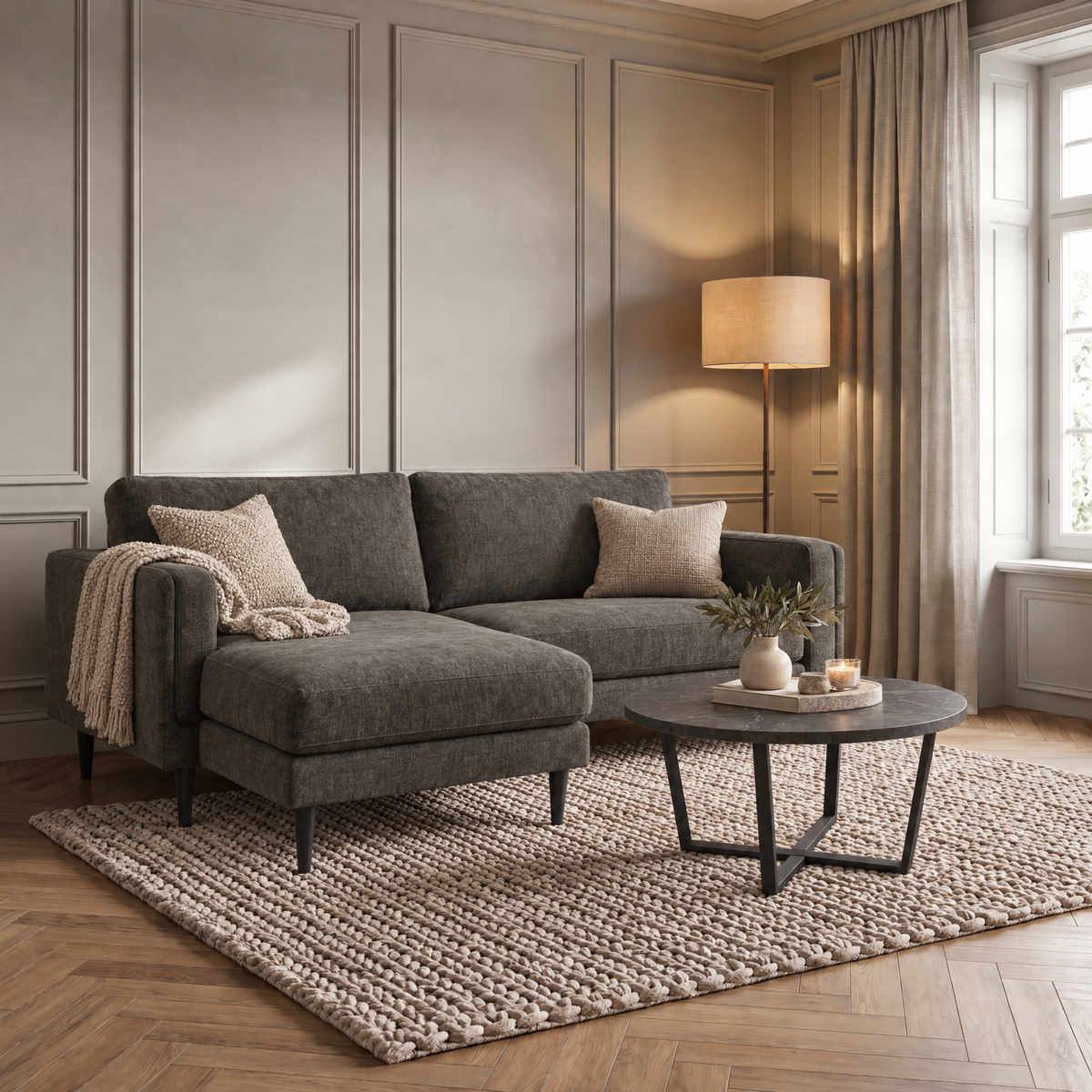
Small living room ideas that don’t involve buying less furniture
Small living rooms don't have to feel cramped or sparse. The secret isn't about owning less—it's about being intentional with what you choose and how you arrange it. With the right approach, you can create a cosy, functional space that feels generous and inviting, even in compact square footage.
The first step is to embrace vertical space. When floor area is limited, drawing the eye upward opens up the room visually. Install floating shelves that reach toward the ceiling, hang artwork at varying heights, and consider tall, slender furniture pieces rather than wide, low ones. A floor-to-ceiling bookcase or wall-mounted storage unit transforms unused vertical real estate into valuable display and storage without consuming precious floor space.
Lighting plays a surprisingly powerful role in making small spaces feel larger. Multiple light sources—a combination of overhead lighting, table lamps, and wall sconces—create depth and eliminate harsh shadows that can make rooms feel tighter. Mirrors positioned opposite windows or light sources amplify natural light and create the illusion of additional square footage. This simple trick works whether your room faces north or south.
Multi-functional furniture is your ally. A coffee table with hidden storage, an ottoman that doubles as seating, or a sofa bed means each piece earns its place. Nesting tables can be pulled apart when needed and stacked away when they're not. These pieces reduce clutter while maintaining comfort and usability—you're not sacrificing furniture, you're choosing smarter pieces.
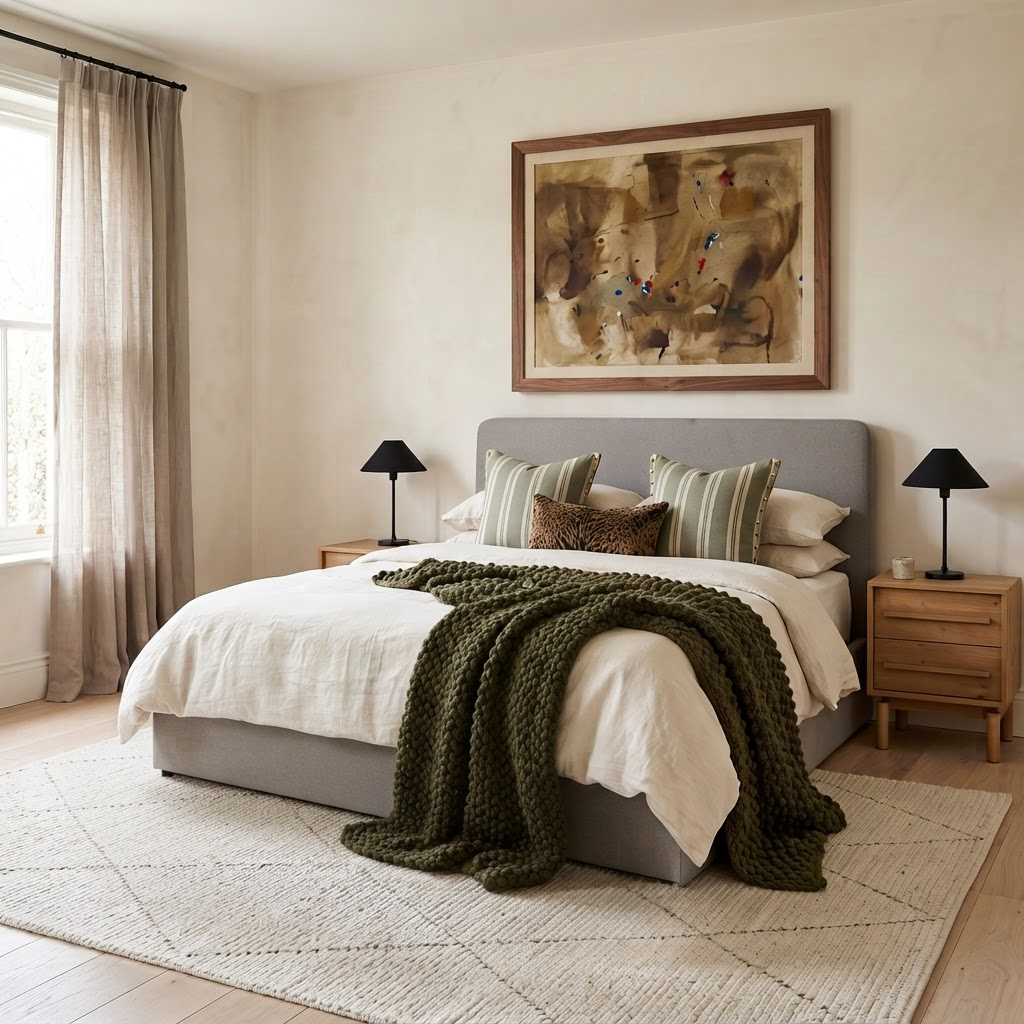
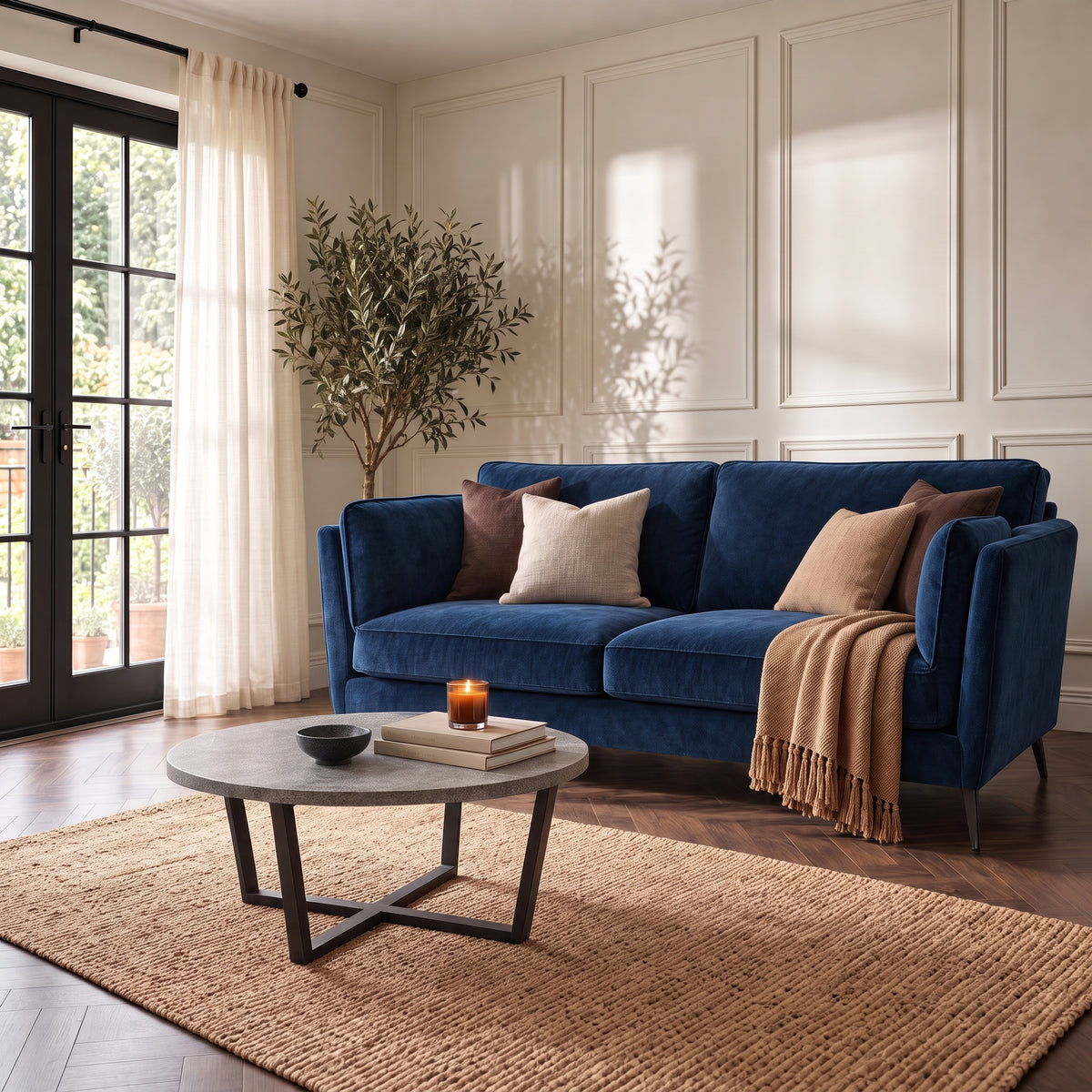
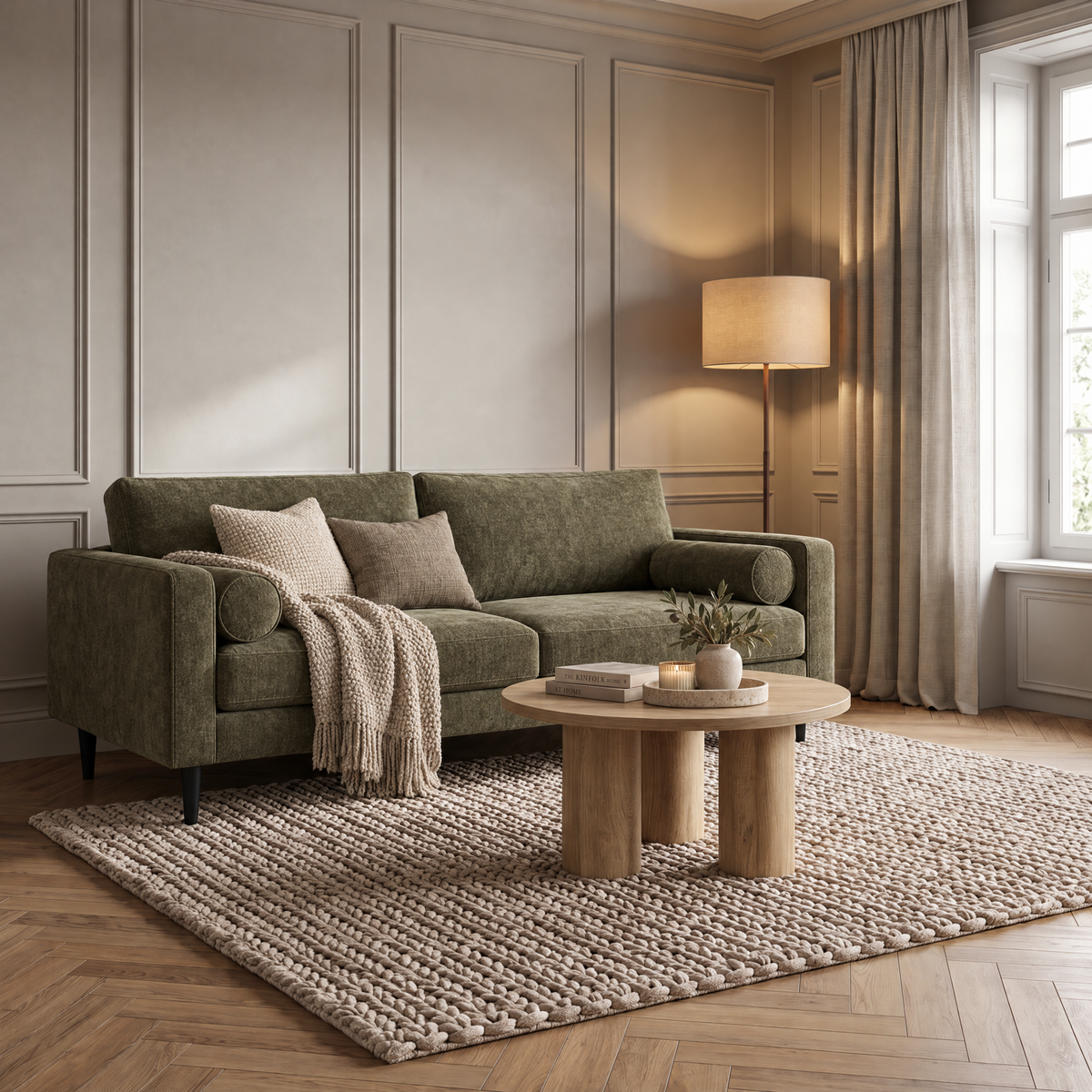
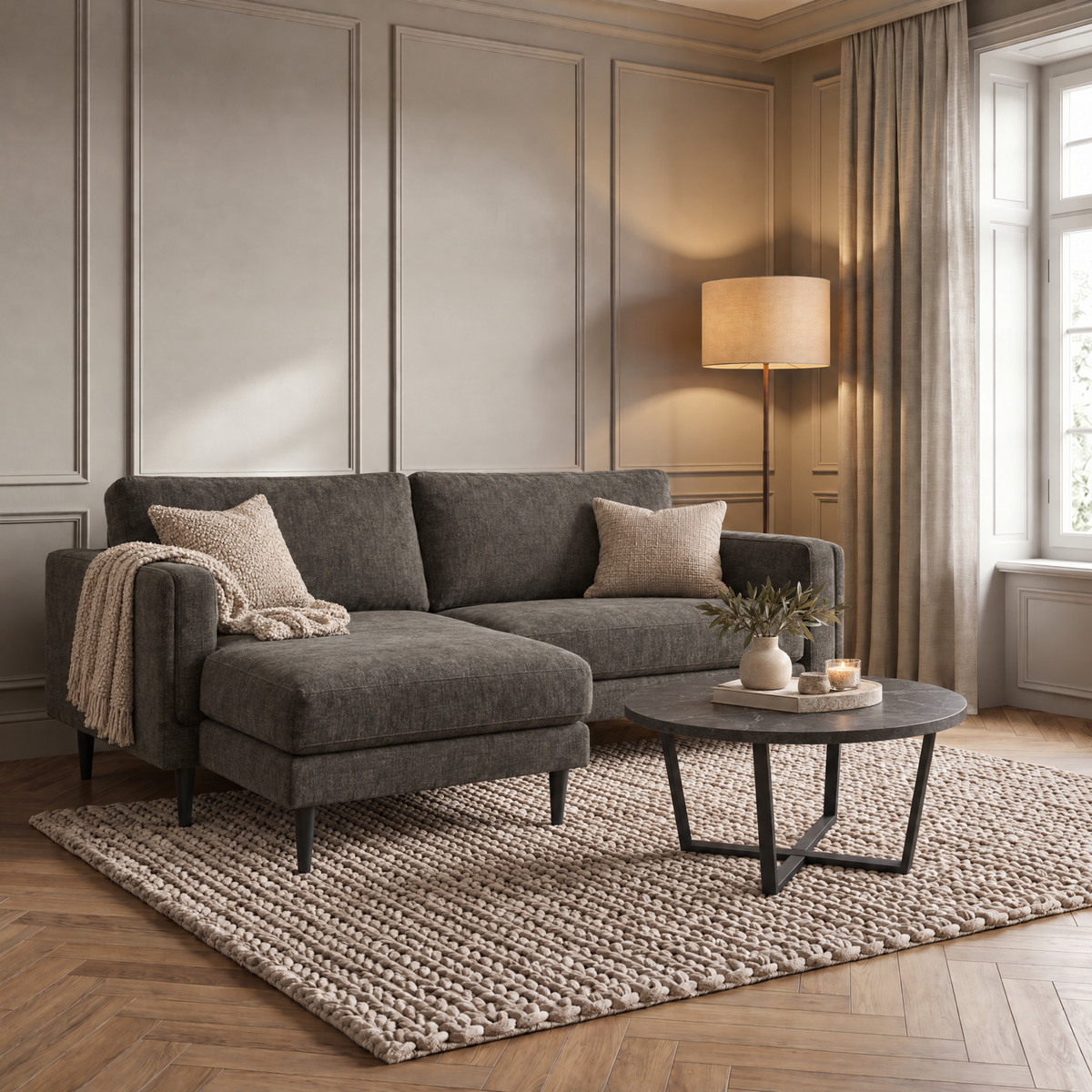
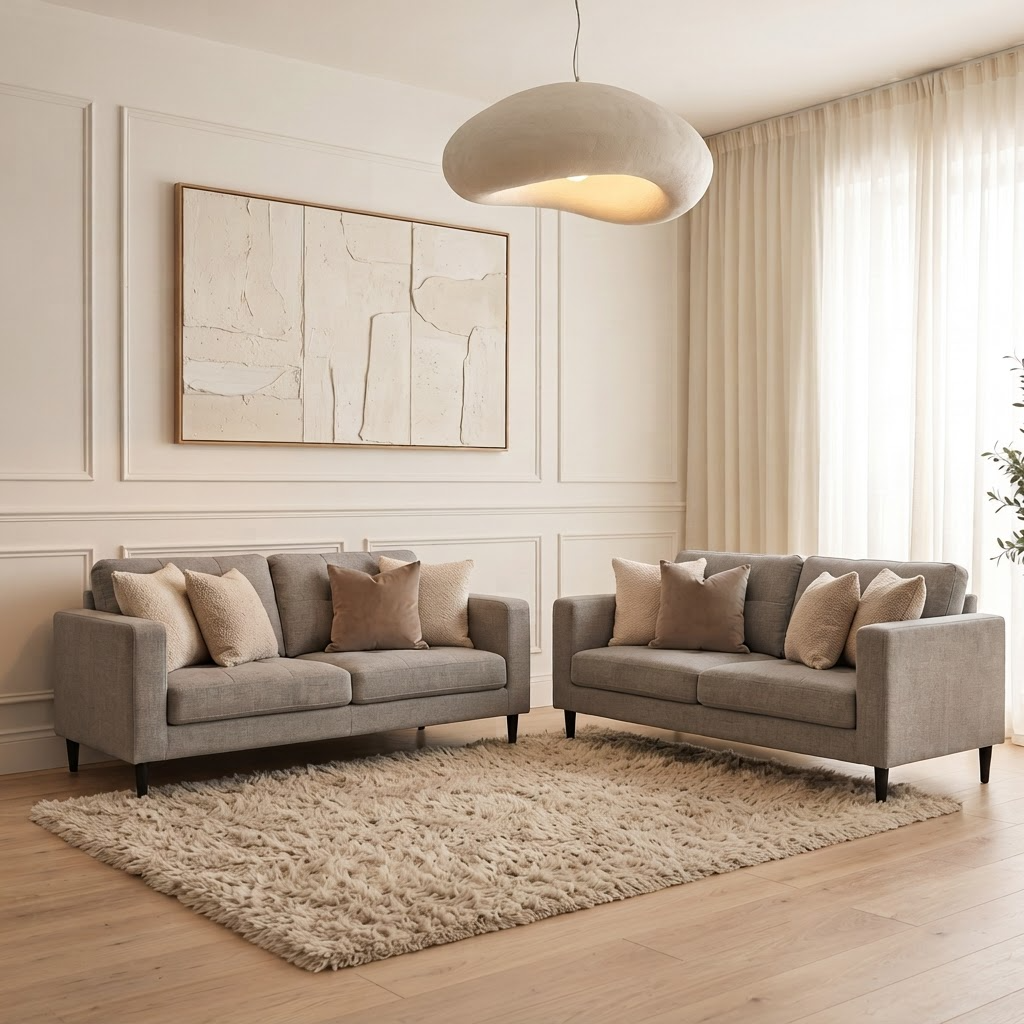
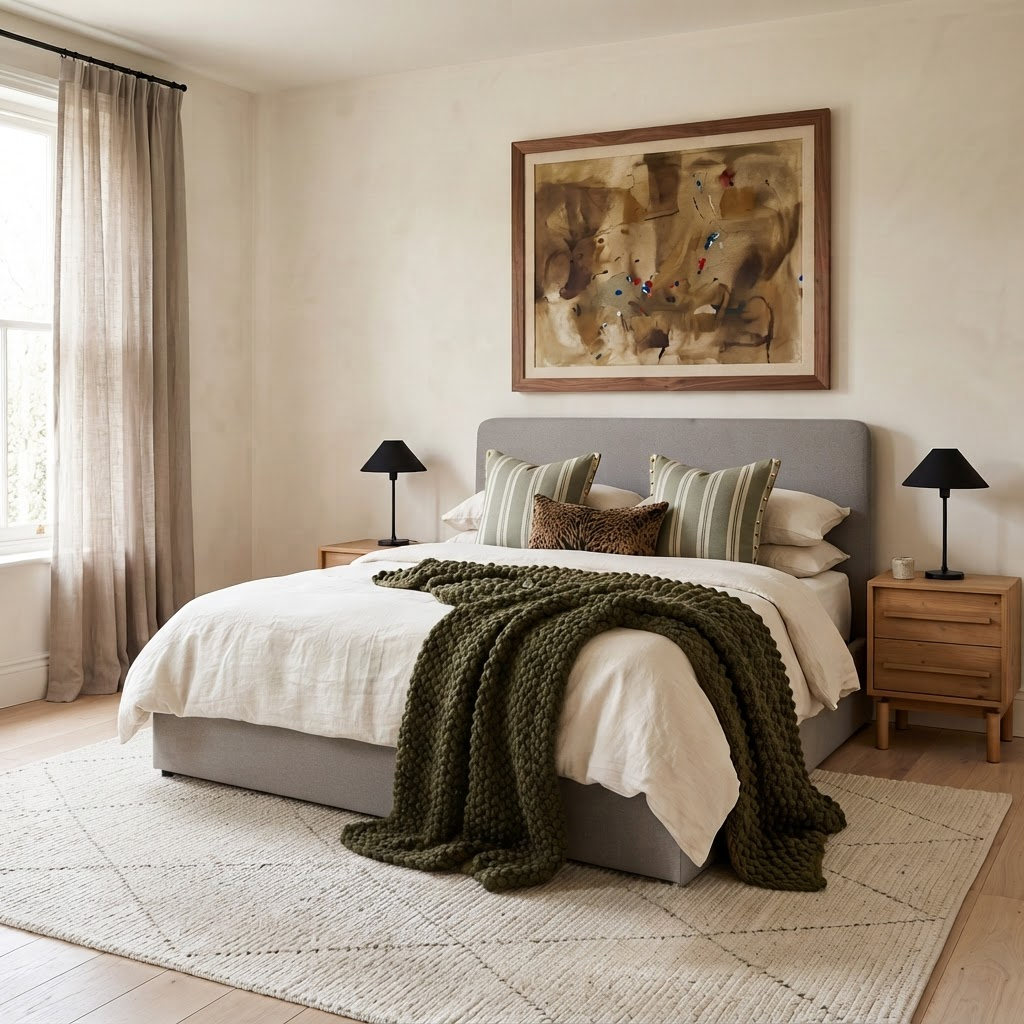
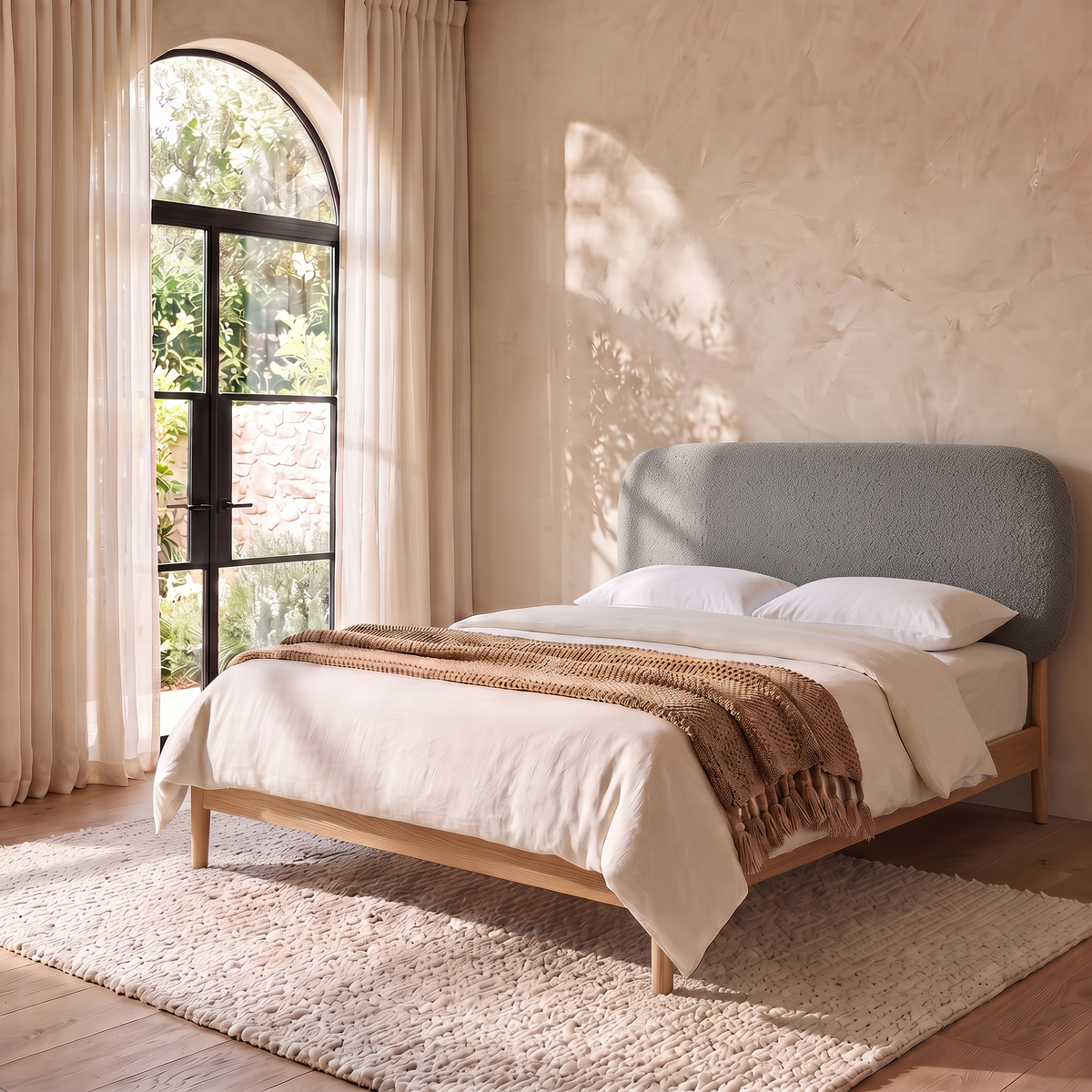
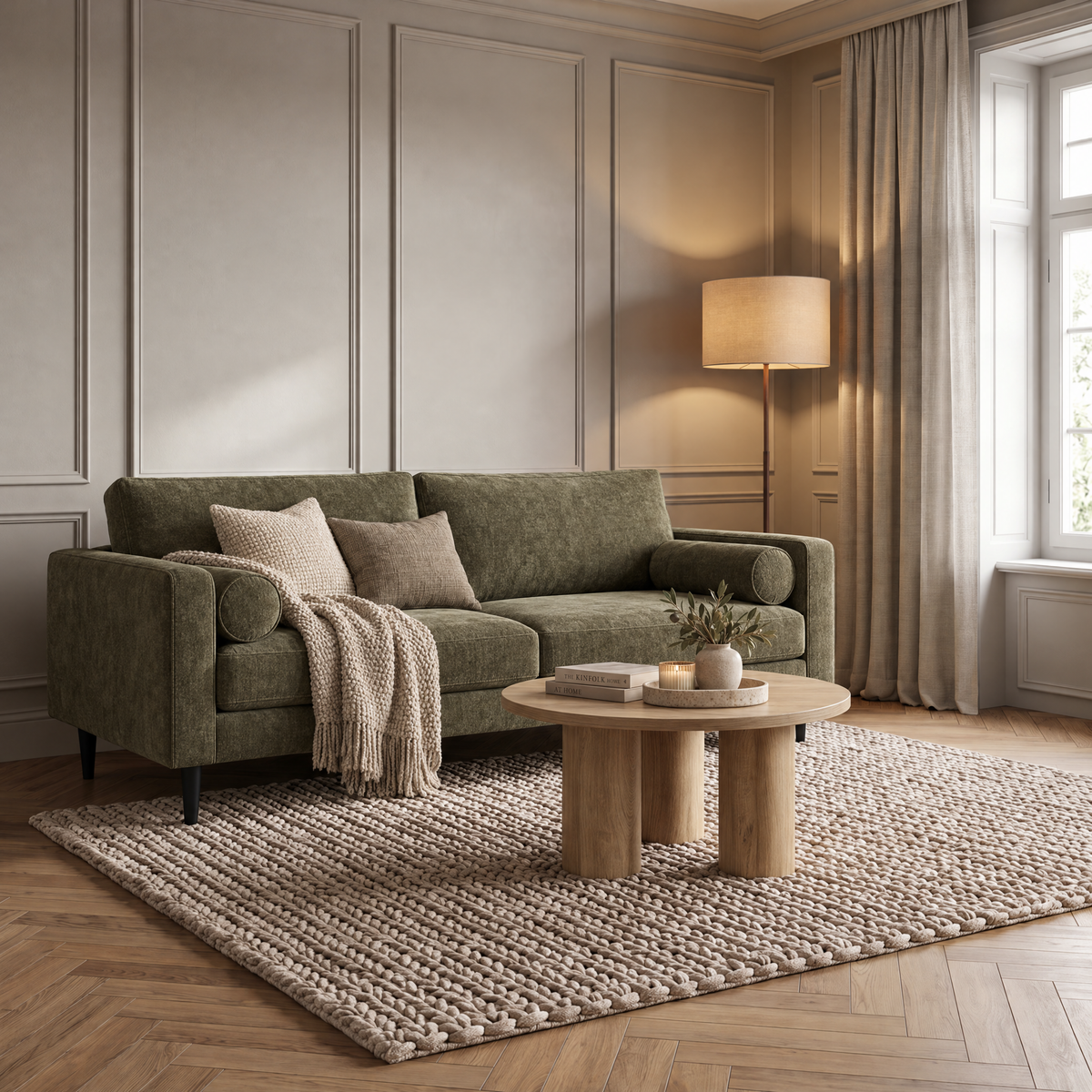
Colour and texture also influence how a room feels. Lighter walls and furnishings reflect light and create airiness, while strategic pops of colour draw focus and add personality. Layering textures—a plush rug, linen cushions, a woven throw—adds richness and warmth without visual heaviness. The aim is to create interest without overwhelming the space.
Finally, keep sightlines clear. Arrange furniture to allow natural pathways through the room, and avoid pushing everything against the walls—this often makes small spaces feel smaller. A floating arrangement in the centre of the room, even if modest, creates better flow and a more intentional layout.